

$10.5-Million Heli-Ski Death Verdict
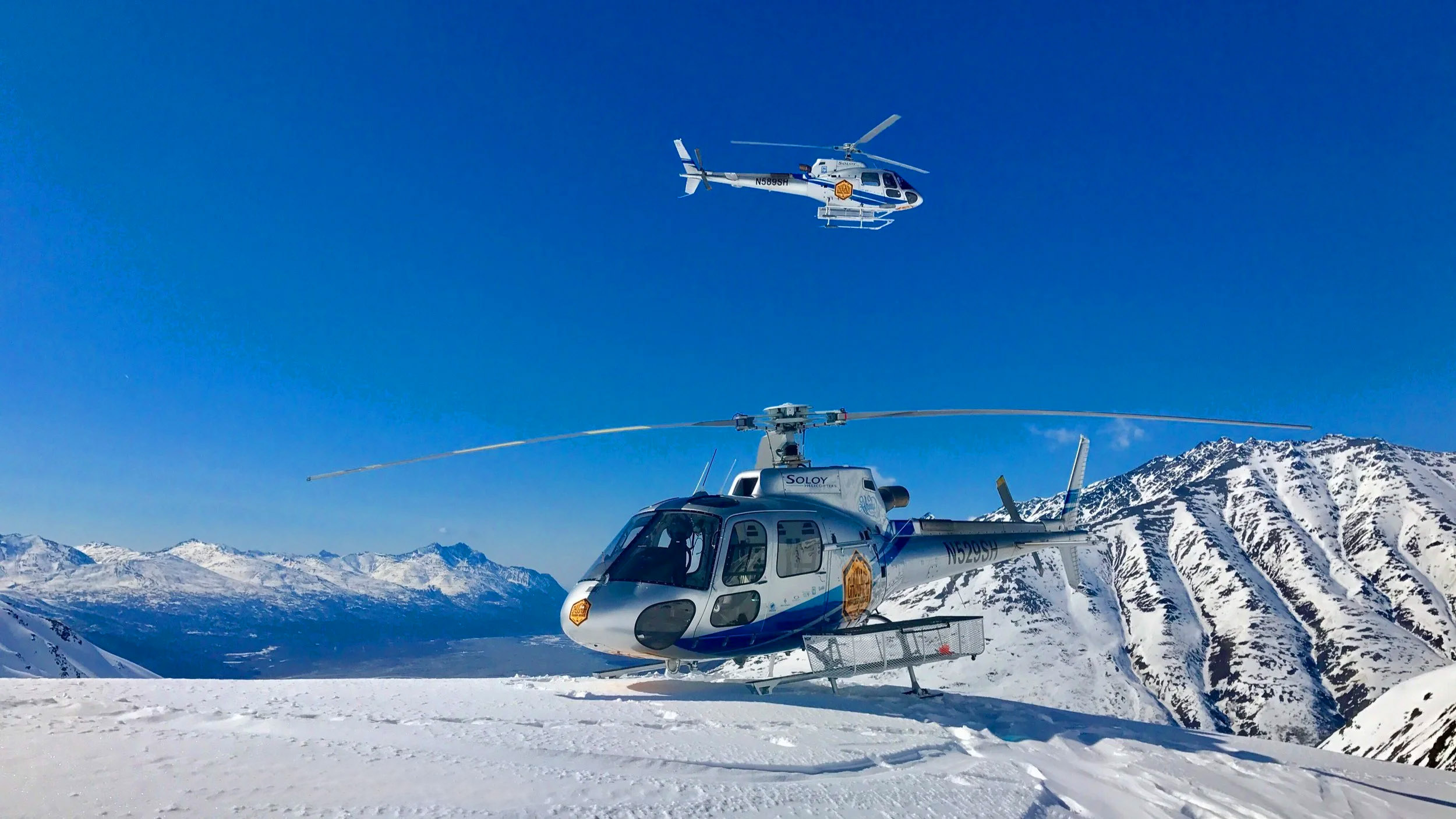
An Anchorage jury has awarded approximately $10.5 million to the family of Czech billionaire Petr Kellner, who died with four others when their helicopter crashed near Alaska’s Knik Glacier during a heli-skiing trip in March 2021.
As reported by Powder Magazine, the jury awarded approximately $1.7 million for Kellner’s pain and suffering and $8.8 million for economic losses.
The jury found negligence involving Tordrillo Mountain Lodge, helicopter operator Soloy Helicopters and guiding company Third Edge Alaska.
The verdict extends beyond the cause of the crash itself. Much of the civil trial focused on what happened after the helicopter went down, how the aircraft was being monitored and why several hours passed before rescuers reached the remote accident site.
The accident occurred on March 27, 2021, during a heli-skiing trip operated through Tordrillo Mountain Lodge and flown by Alaska-based Soloy Helicopters.
Kellner, 56, was travelling in an Airbus AS350B3 helicopter with fellow client Benjamin Larochaix, guides Sean McManamy and Gregory Harms, pilot Zachary Russell and Czech snowboarder David Horváth.
Kellner, Larochaix, McManamy, Harms and Russell were killed. Horváth was the only survivor and suffered severe injuries, hypothermia and extensive frostbite. He later lost fingers as a result of the exposure.
The group was preparing for what was expected to be its final ski run of the day when the pilot attempted to land on a snow-covered ridgeline.
After abandoning an initial approach, the pilot attempted a second landing. Blowing snow generated by the helicopter’s rotor wash surrounded the aircraft and caused the pilot to lose visual reference with the terrain.
The helicopter struck the ridge and rolled approximately 275 metres down the mountainside.
The National Transportation Safety Board found no evidence of a mechanical malfunction or failure before the accident.
Investigators determined that the probable cause was the pilot’s inadequate response after losing visual reference during the whiteout landing attempt.
The investigation also identified deficiencies in Soloy Helicopters’ pilot training and competency checks as contributing factors. Inadequate regulatory oversight of the operator was also cited.
The crash investigation established how the aircraft struck the mountain. The wrongful-death lawsuit brought by Kellner’s family focused largely on the response that followed.
Kellner’s family filed the lawsuit two years after the crash, arguing that he survived the initial impact and remained alive while waiting for rescuers.
The estate alleged that the companies responsible for the trip failed to recognize quickly enough that the helicopter was missing, activate their emergency plans and organize an effective rescue response.
The helicopter’s final tracking signal was recorded shortly after 6:30 p.m.
According to the accident investigation, the employee assigned to follow the flight waited approximately 41 minutes before notifying a supervisor that the tracking signal had stopped.
Tordrillo Mountain Lodge did not inform Soloy Helicopters that the aircraft was overdue until approximately one hour and 50 minutes after the final signal.
The wreckage was located roughly three and a half hours after the crash. A rescue team reached the site approximately five hours and 40 minutes after the accident.
Horváth was found alive but seriously injured and suffering from hypothermia and frostbite.
During the trial, Kellner’s estate argued that the companies failed to initiate an appropriate response when the helicopter stopped transmitting its location.
An aviation operations expert testified that the lodge did not immediately launch a reconnaissance flight, activate its emergency-response plan or alert available search-and-rescue resources.
The trial examined whether the actions taken after the helicopter disappeared met accepted industry practices, even where minimum aviation regulations may have been followed.
Tordrillo Mountain Lodge argued that the crash itself caused Kellner’s death and that the delayed response was not responsible. Its lawyers also maintained that Soloy Helicopters held the federally mandated responsibility for monitoring the flight.
The National Transportation Safety Board was unable to determine whether an earlier rescue would have saved Kellner or the other people killed in the crash.
Investigators did conclude that a quicker emergency response would likely have reduced the severity of Horváth’s injuries.
The jury found that Tordrillo Mountain Lodge, Soloy Helicopters and Third Edge Alaska were all negligent.
According to a statement from Tordrillo reported by Powder Magazine, the lodge was assigned 20 per cent of the fault. Soloy Helicopters and Third Edge Alaska were assigned the remaining 80 per cent.
“While this verdict does not change what happened, it does bring closure and much-needed accountability,” Kellner’s estate said in a statement shared with Alaska news outlets.
“The jury found that Tordrillo Mountain Lodge, Soloy Helicopters and Third Edge Alaska were all negligent.”
Tordrillo Mountain Lodge also extended its condolences to Kellner’s family and to the families of everyone killed in the accident.
The lodge noted that the people lost in the crash included guides and members of the operating team.
Soloy Helicopters reportedly reached a separate multimillion-dollar settlement with Kellner’s family before the trial concluded and was dismissed as an active defendant. The jury was still required to consider Soloy’s role when allocating responsibility for the accident and response.
Heli-skiing takes place in remote mountain terrain where rapidly changing weather, difficult flying conditions, avalanche exposure and limited rescue access are accepted operational hazards.
The Kellner verdict demonstrates that responsibility following an accident may extend beyond decisions made in the cockpit.
Flight-tracking procedures, missed check-ins, communication systems, emergency thresholds, backup aircraft and rescue planning can all become critical when a helicopter does not return as scheduled.
For operators, the case reinforces the importance of assigning clear responsibility for tracking every aircraft and establishing firm procedures for responding when a helicopter misses a check-in or stops transmitting its location.
Emergency plans also need to clearly identify who has the authority to launch a search, contact outside rescue agencies and deploy available aircraft.
For heli-ski guests, safety considerations may extend beyond avalanche programs, guide qualifications and aircraft maintenance.
Clients can also ask how helicopters are tracked, who monitors each flight, what triggers an overdue-aircraft response and what rescue resources are available in the terrain being accessed.
The risks associated with heli-skiing can never be eliminated. The $10.5-million verdict shows that when a serious accident occurs, investigators and courts may examine not only why the helicopter crashed, but every operational decision made before rescuers arrived.




Comments