

B.C. Adventure Tourism Permitting Hub Raises Wildlife Concerns as Heli-Ski Expansion Looms
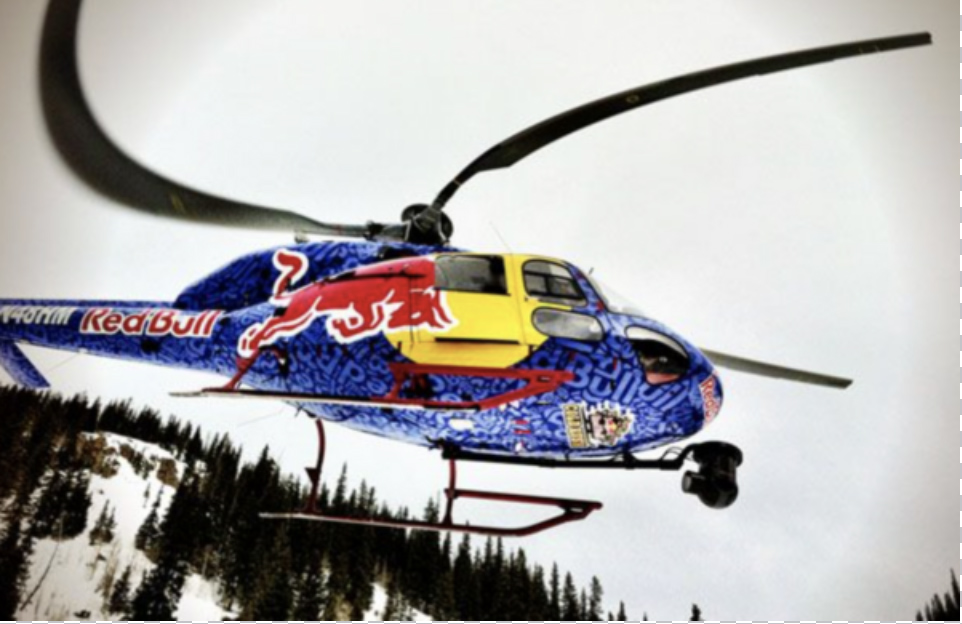
B.C. Adventure Tourism Permitting Hub Raises Wildlife Concerns as the province moves to streamline approvals for heli-ski, cat-ski, and snowmobile operations across complex backcountry tenures.
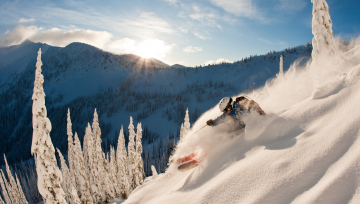
The province’s proposed “adventure tourism hub” is designed to streamline what has long been a complex and fragmented approval process. Operators in heli-skiing, cat-skiing, heli-assisted guiding, and snowmobile touring will be the first included, with plans to expand the model across the broader adventure tourism sector.
For operators navigating large, overlapping land tenures across multiple ministries, the change is being framed as a practical fix.
HeliCat Canada, represented by executive director Dave Butler, called the current system a “complex pathway” and described the hub as a “practical and welcome” solution that could better align environmental oversight with economic outcomes.
At its core, the hub would function as a one-window access point, bringing together government reviewers with regional expertise to assess applications more efficiently—an approach already used in sectors like housing and electrification.
But while the province emphasizes efficiency, conservation groups are focused on what may be lost in the process.
Wildsight conservation specialist Eddie Petryshen says the issue isn’t permitting speed—it’s information.
“Operators can step up to the plate and share data and be better at mitigating impacts with wildlife, particularly things like caribou and wolverine,” he said. “We know there are potential impacts there, and there are also ways to mitigate those impacts.”
The concern is grounded in geography. The same high-elevation terrain prized by backcountry ski operations overlaps directly with critical habitat for species already under pressure, including southern mountain caribou and wolverine populations.
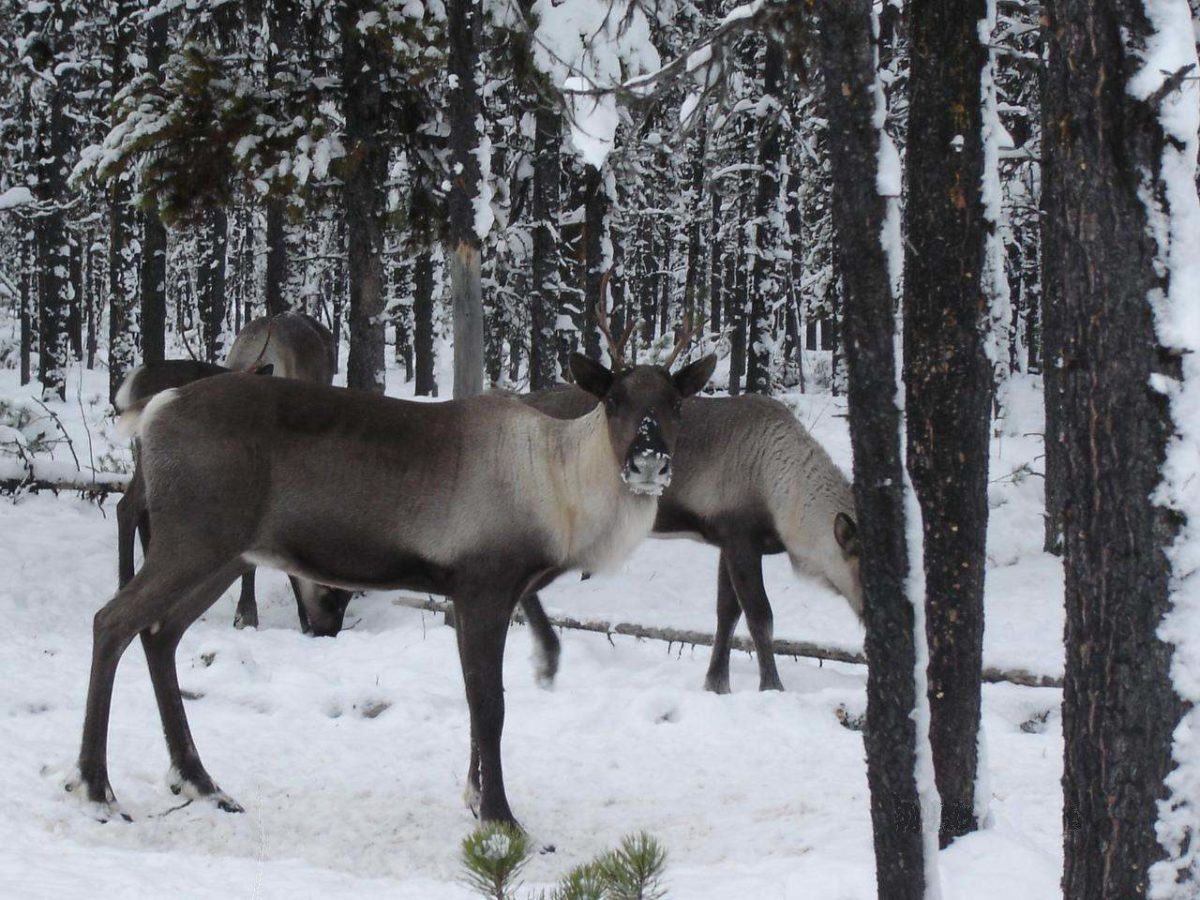
Petryshen points to pandemic-era conditions as a signal. During the shutdown of heli-skiing operations, some caribou herds expanded their range—suggesting that reduced disturbance can have measurable effects.
His call is straightforward: if the province is going to streamline access to terrain, it should also require operators to contribute to a centralized data system, including flight tracking and operational use patterns. Without that, he argues, decision-makers are operating without a full picture of cumulative impacts.
The province acknowledges the tension.
Randene Neill described the balance between economic development and environmental protection as a “tricky” and inherently complex challenge. The goal, she said, is to ensure that those reviewing permits have a deep understanding of both the landscape and the competing pressures on it.
For communities across British Columbia—particularly in regions like the Kootenays—there’s no question that heli- and cat-skiing operations are economic drivers. They bring jobs, infrastructure, and global visibility to remote mountain towns.
But the question being raised is no longer whether these industries matter. It’s how much activity sensitive landscapes can absorb before thresholds are crossed—not just for wildlife, but for other backcountry users as well.
“In a lot of places, we are at the point where we need to start questioning whether we’re exceeding thresholds for sensitive species,” Petryshen said.
The province’s new permitting hub may simplify the process on paper. Whether it strengthens or weakens oversight on the ground will depend on what comes next—particularly around transparency, data sharing, and the willingness to put wildlife first in terrain that is increasingly in demand.
Source: Victoria News




Comments