

Canadian Military Avalanche Control in Rogers Pass is Ending
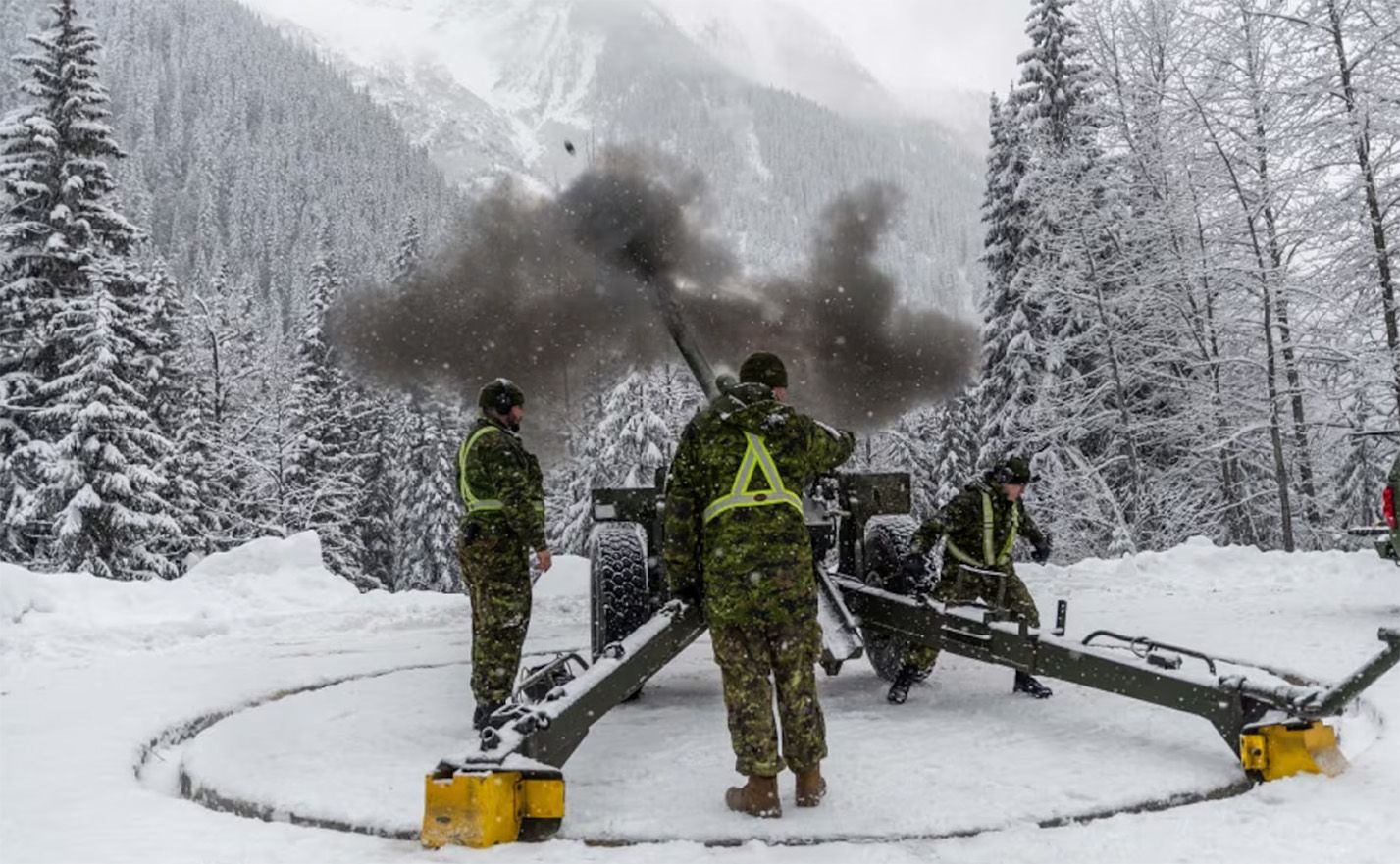
The Canadian Military Avalanche Control in Rogers Pass is ending, bringing more than 60 years of artillery-based mitigation to a close and forcing a transition that backcountry users will feel directly.
Since 1961, Parks Canada has worked with the Canadian Armed Forces under Operation Palaci—using 105 mm howitzers from fixed positions to manage start zones above the Trans-Canada Highway and rail line. It’s a system every regular user of the pass understands: predictable, coordinated, and built around corridor safety.
That agreement will not be renewed when it expires in August 2027.
Nothing about this changes the fundamentals. The highway still runs through one of the most avalanche-active corridors in North America—over 130 paths, roughly 2,000 avalanches annually, and consistent pressure from both road and rail traffic. Control work isn’t optional here.
What does change is how that work gets done.
Artillery has always offered reach, reliability, and the ability to hit large, complex start zones in almost any conditions. It’s also a legacy system—logistically heavy, high consequence, and increasingly out of step with how avalanche programs are evolving elsewhere.
The transition now underway points toward a mix of systems already familiar to most skiers: fixed exploders, heli-assisted control, and increasingly, drone deployment.
From a user perspective, the upside is obvious. More precise targeting. Less exposure for control teams. Potential for tighter timing windows when conditions allow. Drones in particular offer access to start zones without putting people underneath them, and they can be deployed quickly when weather and visibility line up.
But there are trade-offs.
Artillery can reach targets up to five kilometres away and operate through weather that would ground helicopters or limit visibility for remote systems. Replicating that capability across the full length of Rogers Pass won’t be simple, and it’s reasonable to expect a period of adjustment as Parks Canada refines the program.
For those who spend time in the pass, the takeaway is straightforward: the system you’re used to is changing, not disappearing.
Closures will still happen. Control will still be aggressive. And terrain will still behave like Rogers Pass terrain—complex, connected, and unforgiving when it lines up.
The difference is that the next version of that system is likely to be more targeted, more modern, and less dependent on the kind of heavy infrastructure that defined the last 60 years.
Stay tuned for the next chapter in backcountry touring in Rogers Pass!




Comments