

Pro Splitboarder in Avalanche Near Pemberton
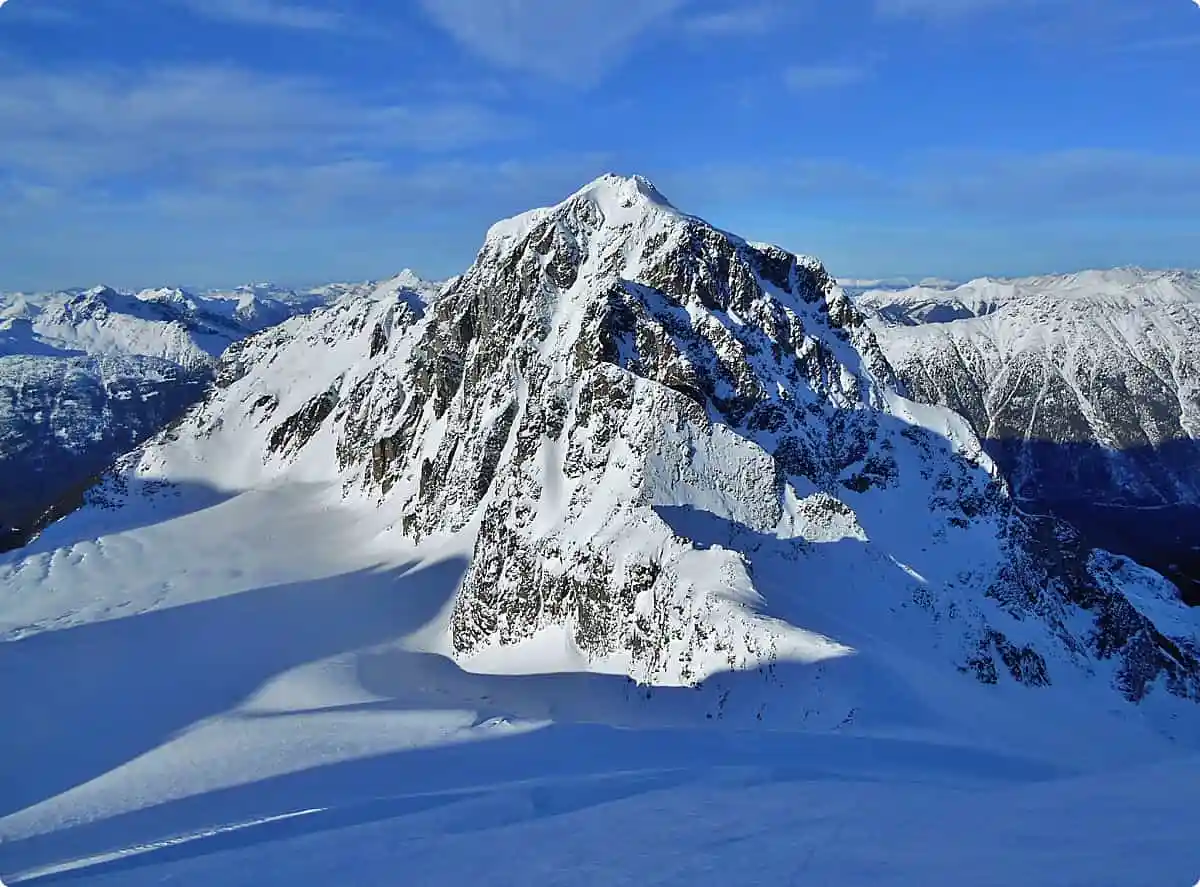
Pro Splitboarder Stratton Matteson has died after triggering a large avalanche near Anniversary Glacier, in the alpine terrain between Joffre Peak and Mount Matier, east of Pemberton.
On February 24, 2026, the Sea to Sky RCMP were advised of a lone snowboarder involved in an avalanche in a remote area above Joffre Lakes Park. General duty officers, along with Pemberton Search and Rescue, responded to the scene.
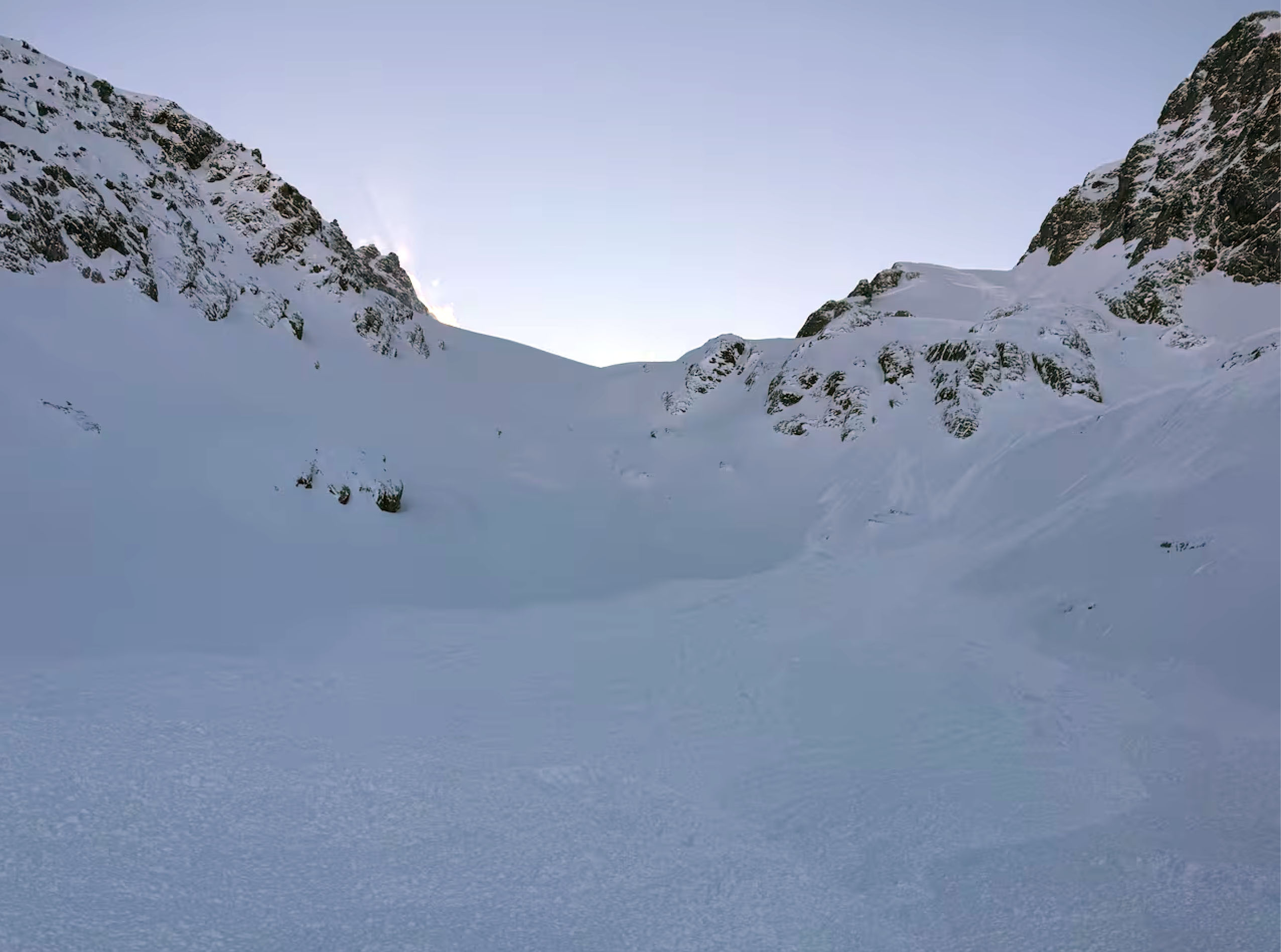
According to search officials, the avalanche was classified as a Size 3 to 3.5 — large enough to bury and destroy a vehicle and run full path. The slide travelled approximately 1,500 metres. Matteson, who had set out alone from Keith’s Hut while a companion remained behind, was reportedly caught in the avalanche he triggered.
A missing person report came in shortly after 2 p.m. Search teams from Pemberton SAR, Whistler SAR, Whistler Blackcomb ski patrol and accredited Canadian Avalanche Rescue Dog Association teams were deployed. Around 4 p.m., rescuers received a transceiver signal, confirmed probe strikes and excavated the rider from approximately 1.5 metres of burial depth near the bottom of the path. He was pronounced deceased at the scene.
The Sea to Sky RCMP expressed condolences to the family and loved ones and stated that no further information will be released at this time out of respect for the family.
The fatality comes during a period of heightened avalanche hazard across southwest British Columbia. Following a recent storm cycle, the Sea to Sky region has been rated “High” on the five-point danger scale by Avalanche Canada.
Anniversary Glacier and the surrounding terrain near Joffre are serious alpine environments. While Joffre Lakes draws significant summer traffic, winter travel beyond the maintained trail quickly enters complex avalanche terrain where wind loading, solar input, temperature swings and persistent weak layers can rapidly change stability.
Search and rescue officials continue to stress that checking the forecast is only part of preparation. Understanding how current conditions interact with terrain — and adjusting plans accordingly — is critical.
Province wide, this marks British Columbia’s fourth avalanche fatality of the 2025–26 winter season.
For those travelling in avalanche terrain, Avalanche Canada recommends carrying a transceiver, probe and shovel, travelling with partners, spreading out in exposed areas, identifying safe zones and taking formal avalanche education such as AST 1 or AST 2. Daily forecasts and trip-planning tools are available at avalanche.ca.
Powder Canada extends condolences to Matteson’s family, friends and the volunteer rescuers who responded.


Comments