

The Backcountry SOS Myth: Why Search and Rescue Isn’t Instant
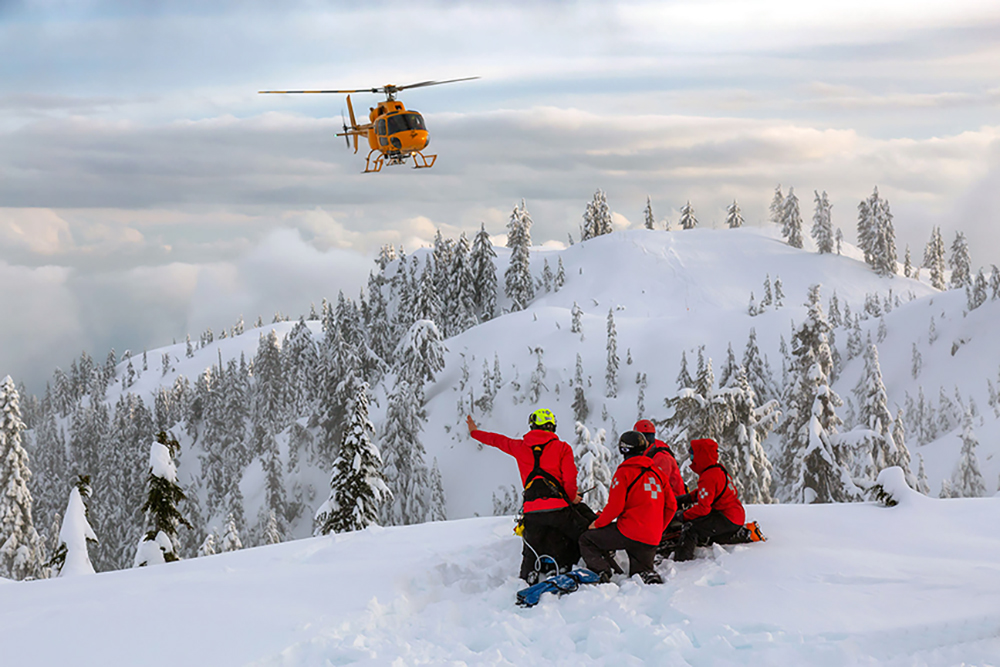
The Backcountry SOS Myth is the quiet, dangerous idea that carrying a satellite messenger guarantees fast rescue when something goes wrong in the mountains.
Satellite messengers have changed how we recreate. They’re lighter, cheaper, and more common than ever. Push a button, send your coordinates, help is on the way—or at least that’s the comfort they sell, and the assumption many of us quietly carry into the backcountry.
But here’s the truth most people don’t like to hear: pressing SOS doesn’t trigger a rescue. It starts a process.
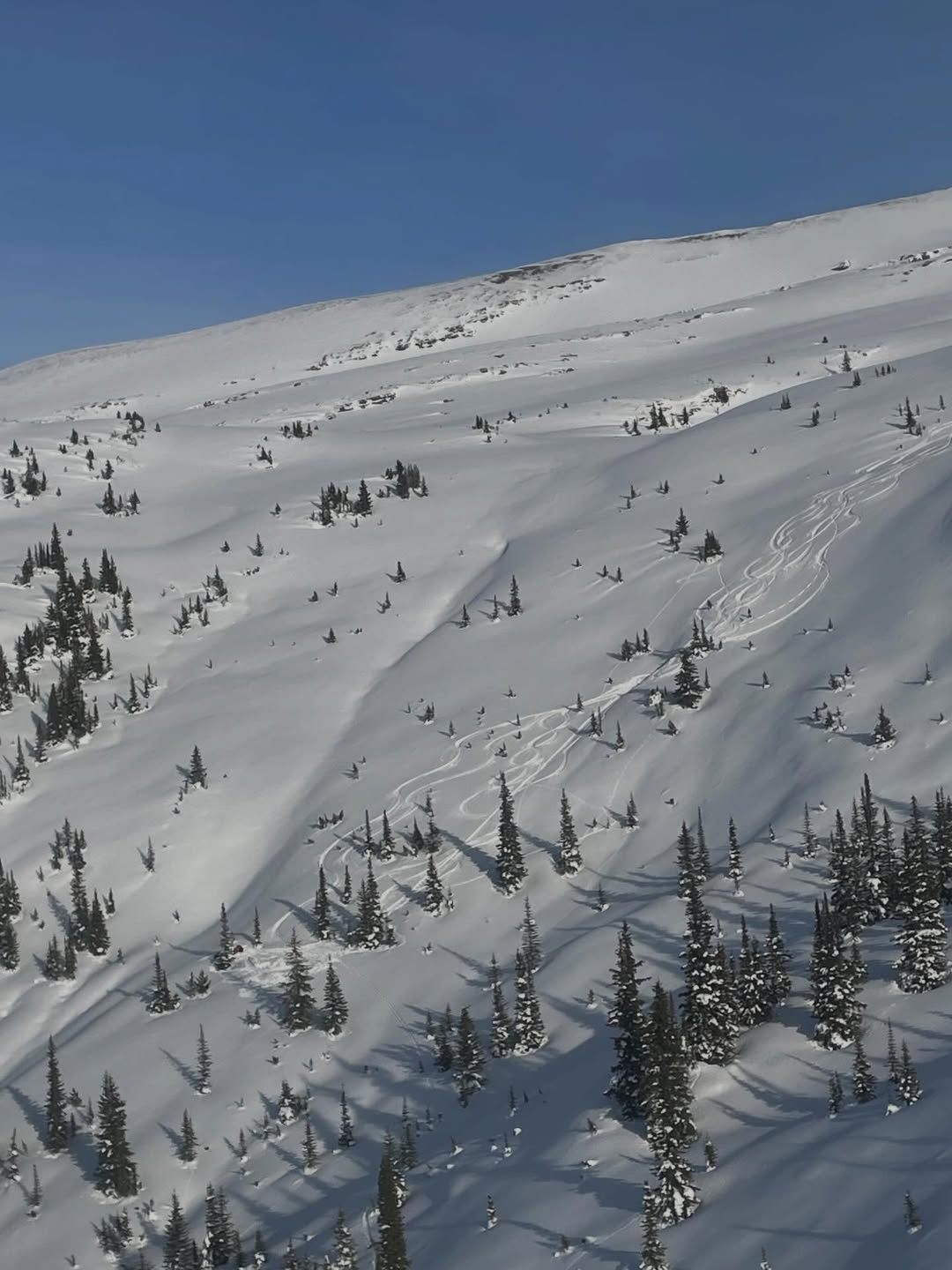
On January 1, Golden and District Search and Rescue responded to a skier with a broken leg near Amiskwi Lodge. The group did nearly everything right. They had a satellite messaging device. They had first aid supplies. They prepared a safe landing area before help arrived.
It still took roughly two hours from pressing SOS to rescuers reaching the scene.
That number surprises people. It shouldn’t.
When you activate SOS, your message doesn’t go to a local rescue team. It goes to a commercial call centre, often outside Canada. From there, someone looks at a map and determines which authority might have jurisdiction. That authority—usually the RCMP in BC, sometimes Parks Canada—then confirms location, access, and whether SAR is required.
If SAR is needed, the Emergency Coordination Centre gets involved. Then a SAR manager is contacted. Then volunteers are called—people who are at work, at home, or with their families. They gather gear, drive to a staging area, and organize access. If a helicopter is required, availability has to be confirmed.
Every step involves people. Every step takes time.
None of this is inefficiency. It’s how a volunteer-based, multi-agency system actually functions.
This is the part that needs saying clearly: a two-hour response time in the backcountry is not slow—it’s expected.
Search and rescue is not designed for immediacy. It’s designed for effectiveness. It assumes that people who travel in the backcountry are prepared to manage risk, stabilize injuries, and wait.
What made the January 1 response successful wasn’t speed. It was preparation. The injured group wasn’t relying on rescue to solve everything. They were equipped to deal with the gap between injury and help—the long, quiet stretch where decisions matter most.
That gap is the real test of backcountry competence.
Satellite messengers are excellent tools. They save lives. But they’ve also subtly shifted expectations. We plan trips with tighter margins. We push deeper and later. We assume that help is closer than it really is.
It isn’t.
A device doesn’t replace daylight buffer. It doesn’t replace insulation, food, or shelter. It doesn’t splint a leg, manage hypothermia, or make bad weather disappear. And it certainly doesn’t guarantee a fast response.
If your plan depends on rescue arriving quickly, it isn’t a plan—it’s a gamble.
There are real opportunities to reduce delays: better digital integration between dispatch agencies, fewer phone-based handoffs, automated team notifications that give volunteers a head start. These are practical, solvable issues, and they’re worth addressing.
But even a perfect system won’t change the fundamentals.
Search and rescue will always take time. Volunteers will always need to mobilize. Weather, terrain, and daylight will always matter.
The uncomfortable but necessary conclusion is this: SOS is a last step, not a safety net.
Before heading out, the real questions aren’t about devices. They’re about preparation:
• What’s the plan if this takes hours?
• What if we’re still here after dark?
• What if weather closes in?
• What if we have to spend the night?
Because when something goes wrong in the backcountry, the difference between a manageable incident and a serious emergency usually isn’t how fast rescue arrives.
It’s whether you planned for the wait.
Source: GDSAR




Comments