

The Persisting Surface Hoar Layer from January Remains Avalanche Concern
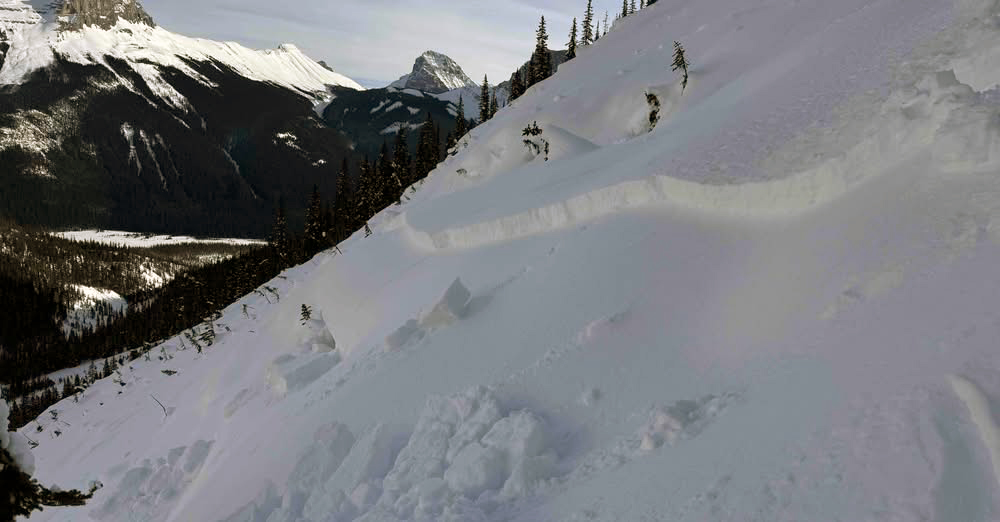
The Persisting Surface Hoar Layer from January remains an avalanche concern across Western Canada, and recent field observations show it is still producing skier-triggered avalanches.
On Wednesday evening, Mark Klassen, ACMG, shared a field report from the Yoho zone after skiing Coat Tail Right off the Top Hat.
“The upper run skied well with no concerns,” Klassen wrote. But on a northeast aspect at approximately 1,750 metres, conditions changed. On the steep exit through scattered trees, the group triggered several size 1 to 1.5 avalanches. The slabs were about 25 centimetres deep and failed on the January 24 surface hoar layer. The avalanches ran over a cliff band below.
“It became quite involved getting out of this zone,” Klassen noted, describing steep terrain requiring a committed traverse across larger open features. He skinned back up to ski cut additional small pockets in an effort to test the larger slope below. While the bigger feature did not release, debris from the smaller avalanches provided just enough feedback to cautiously complete the exit.
Klassen added that he would be “quite concerned in any larger, steep, open glades between 1500–1800 m” in the Yoho region right now.
While Yoho provides a clear example, the problem is not isolated.
January’s extended high-pressure system created widespread surface hoar growth across much of British Columbia and the Rockies. Once buried by subsequent snowfall, those delicate frost crystals formed a persistent weak layer now sitting roughly 20 to 40 centimetres below the surface in many areas.
Surface hoar layers are notorious for producing clean fractures and unexpected propagation, particularly in sheltered treeline terrain and open glades on northerly aspects.
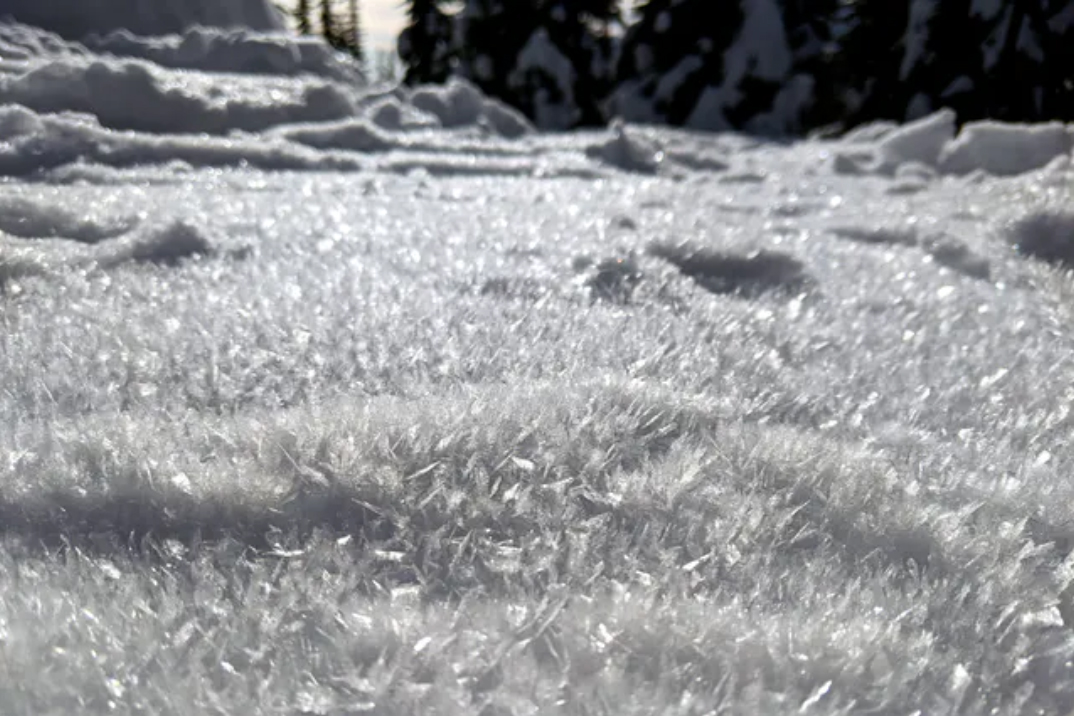
Forecasters continue to flag the January surface hoar as the dominant structural weakness in the snowpack. The concern increases with additional loading.
When this layer receives new snow — especially if accompanied by wind — slab thickness and cohesion increase. What are currently smaller, skier-triggered avalanches could quickly grow in size and consequence.
Persistent weak layers often become most dangerous during and immediately after storm cycles.
For backcountry users across Western Canada, the message is clear: this layer remains active, widespread, and capable of producing avalanches in the right terrain.
As Klassen’s report shows, even slopes that initially ski well can hide instability just metres away.
Before heading out, and again on the day of your trip, consult the latest regional avalanche forecast from Avalanche Canada.




Comments