

BC’s January Snow Drought, Japow Temptation — and Why I Stayed Home
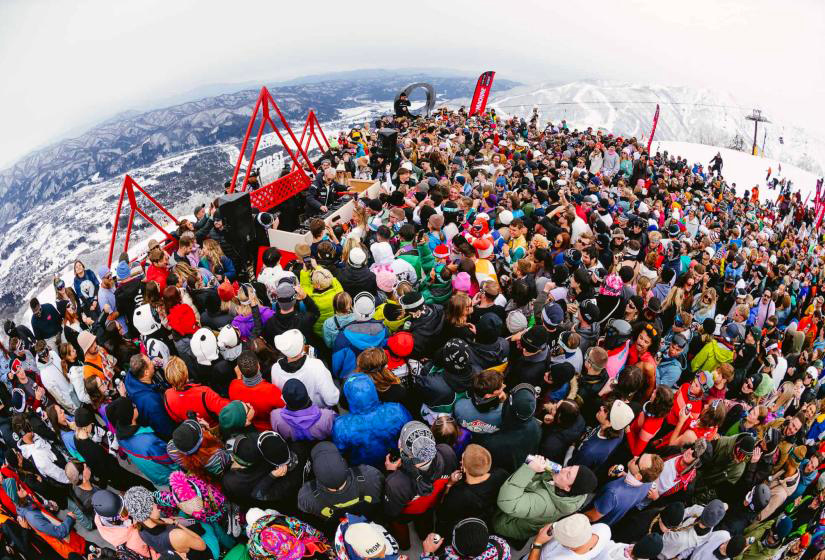
This January in British Columbia has been shaped by one dominant feature: a stubborn high-pressure system that settled in and refused to move. Instead of Pacific storms rolling ashore, the jet stream flattened, precipitation shut down, and much of the province sat under clear skies and temperature inversions. Snow didn’t tease or miss a forecast window—it simply didn’t arrive.
For skiers and riders in BC’s mountain towns, the result was familiar and frustrating. Coverage held, bases consolidated, but meaningful refreshes were few and far between. When the tap is turned off, attention naturally wanders, and this winter the usual daydream was Japow.
Japow is the cool powder destination for the jet-set crowd, and the reputation is earned. The slang term combines Japan and powder, describing the light, dry, and deep snow found in Japan—particularly on Hokkaido. Cold Siberian air masses sweep across the Sea of Japan, pick up moisture, and unload it as low-density snow. It’s one of the world’s naturual powder factories and a bucket-list experience for skiers and snowboarders everywhere.
Under normal circumstances, that alone can be enough to justify the trip. But in today world, the math has changed.
A Japan ski trip isn’t just about snow—it’s about getting there. Long-haul flights, packed airports, recycled cabin air, and disrupted sleep cycles create ideal conditions for colds, flu, COVID, and lingering travel-related illnesses. Add jet lag, dehydration, and winter-weakened immune systems, and the first days on snow can feel compromised before the skis even click in.
Staying home meant sleeping in my own bed, waking up rested, surrounded by mountain people and skiing without gambling on my immune system at 35,000 feet. No recovery days lost to travel fatigue. No coughing through a powder morning. Just skiing.
Then there was the data. Despite Japow’s global mystique, Japan’s current snow bases are less than what much of BC and Alberta is offering this winter.
Recent Japan reported base depths include:
• Furano: approximately 120–210 cm
• Niseko United: approximately 170–260 cm
• Kiroro: approximately 200–335 cm
• Hakuba Valley: approximately 270 cm
• Rusutsu: approximately 215–270 cm
Those numbers are solid, but they’re not exceptional—and they’re less than many established BC and Alberta resort alpine bases right now. The difference isn’t depth; it’s snow texture and frequency, and even that advantage narrows in average or dry cycles.
When bases are similar, flying halfway around the world for comparable coverage becomes a harder sell.
The Changing Experience in Japan
There’s also a broader shift underway. Japan is grappling with over-tourism, with annual visitor numbers exceeding 36 million. Ski towns and cultural centres alike are feeling the strain—overcrowding, pressure on infrastructure, and growing frustration with disrespectful behaviour ranging from public drunkenness to vandalism and influencer-driven stunts.
Japan remains welcoming, but the experience is undeniably different. Lift lines are longer, accommodations tighter, and the quiet rhythm that once defined many resort towns is harder to find.
Why Staying Home Was Easy
Back in my BC mountain town, life carried on at a calmer pace. No airports. No logistics. No time zones. Just familiar terrain, short drives, known snowpacks, and the comfort of skiing where I live.
Japow will still be there. The Siberian winds will keep blowing, and Japan will remain one of the world’s powder destinations. But this winter, with average bases abroad, global crowds at their peak, real travel health costs, and home still delivering good skiing, staying put was the better decision.
It was choosing the simplest—and most rewarding—option.
Sometimes the best decision isn’t chasing the illusion of the most famous snow.
It’s recognizing when you already live in a mountain town paradise and when it snows you’re ready to shred!
DS



Comments