

World’s Snow Experts Gather in Whistler for ISSW 2026
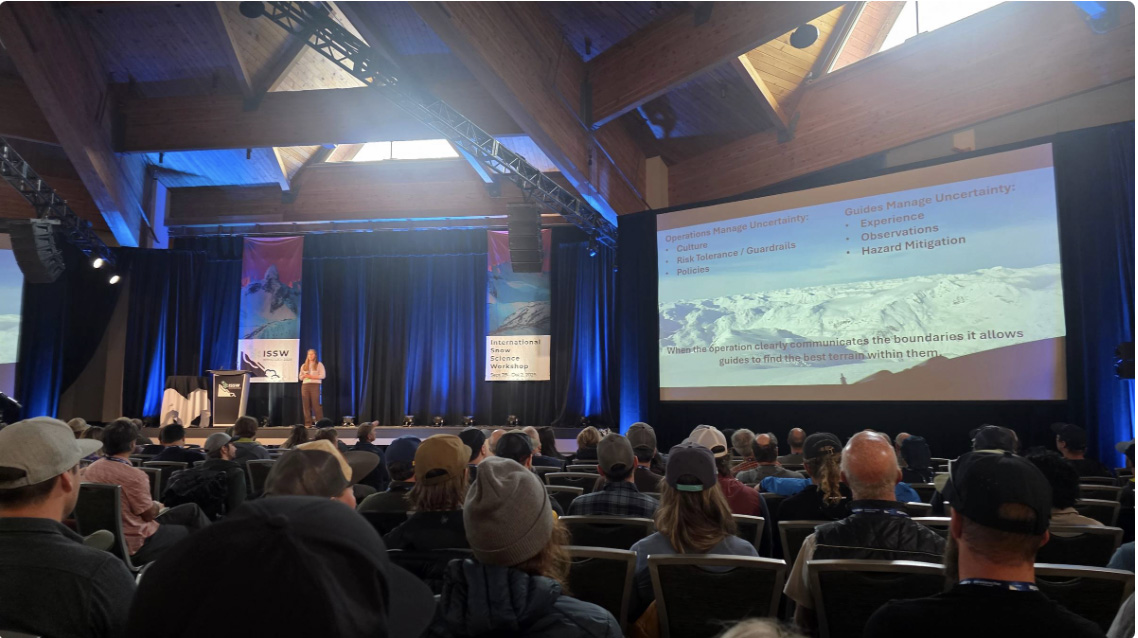
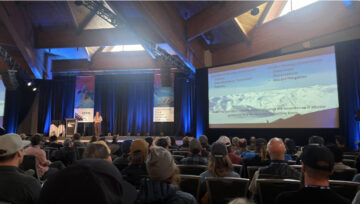
The International Snow Science Workshop 2026 brought the world’s leading snow researchers, avalanche professionals, mountain guides and forecasters to Whistler, British Columbia, for five days focused on understanding snow, avalanches and decision-making in the mountains.
Steve Andrews of Alpine Islands attended the biennial gathering and presented his own research while taking in an intense program of presentations, research papers, case studies and technical discussions.
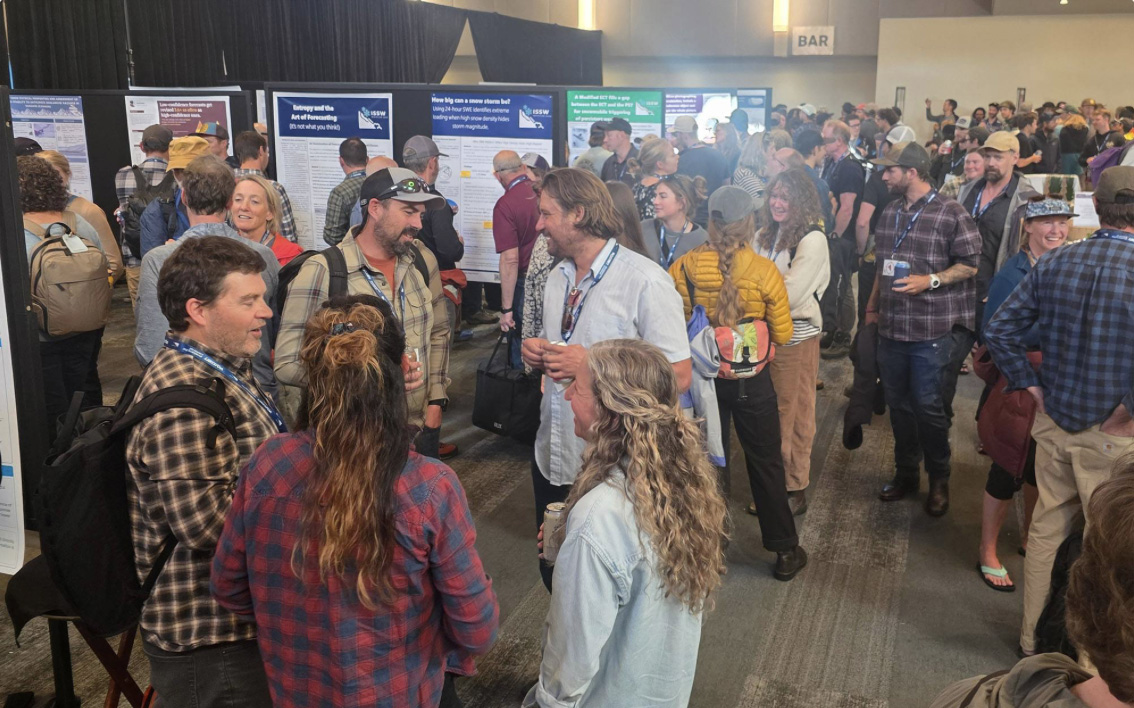
Andrews described ISSW as a gathering of the world’s top “snow nerds,” with more than 10 hours of programming each day covering everything from hard-core snow science to avalanche near misses, rescue techniques, human factors and risk management.
The volume of new research was substantial.
“It was a lot to take in,” Andrews said, noting that it will likely take weeks or months to fully digest everything presented during the workshop.
Rethinking How Guides Communicate Avalanche Risk
One of the papers presented at ISSW was Andrews’ “The Operational Deviation Index: A Disclosure and Informed Refusal Protocol.”
The paper challenges the traditional relationship between professional guides and their clients when travelling through avalanche terrain.
Andrews argues that recreational backcountry users have increasingly been given tools and information to participate in avalanche-risk decisions, while clients of commercial guiding operations generally remain outside the operational decision-making process. He describes this disparity as a form of “institutionalized paternalism.”
His proposed Operational Deviation Index, or ODI, isn’t intended to replace the professional judgement of guides or provide another avalanche hazard assessment. Instead, it creates a framework for identifying when guides should disclose to clients that their operating plan differs from advice contained in the public avalanche forecast.
The concept borrows from two fields where communicating risk has evolved considerably: aviation and medicine.
Commercial aviation moved away from concentrating decision-making solely with the pilot toward Crew Resource Management, where the wider flight crew participates in decisions. Andrews notes that similar collaborative decision-making already occurs among guides during operational meetings, but that information generally stops before reaching guests.
Medicine provides the second model: informed consent. Patients are told about material risks and retain the ability to refuse a procedure. Andrews proposes applying a similar principle to people paying professionals to take them into avalanche terrain.
When Would Guides Disclose?
The proposed ODI identifies three circumstances that could trigger disclosure to clients.
The first is severity. An avalanche danger rating of Considerable or higher would trigger a discussion with guests about the day’s avalanche problems, terrain advice and the terrain and timing decisions being made by the guiding operation.
The second is directional departure — when an operation’s plan deviates from advice contained in the public avalanche bulletin.
Andrews identifies four potential departures: travelling in terrain contrary to the bulletin’s travel and terrain advice; exposing guests to forecast avalanche problems; operating contrary to an explicit avalanche warning; or operating when avalanche danger is forecast to increase during the day.
The third trigger is forecast confidence. If published forecaster confidence is low, Andrews argues that clients should know because they are relying more heavily on the unpublished judgement of their guides.
Giving Clients the Right to Go More Conservative
Perhaps the most significant part of Andrews’ proposal comes after disclosure.
Under his protocol, a guest could refuse exposure to an identified hazard and request a more conservative option.
That doesn’t mean clients get to overrule guides and demand access to more aggressive terrain. The choice works in only one direction: toward less exposure and more conservative terrain.
“The point is not to usurp the guides’ meeting, but to open the flow of information to those exposed to the recognized hazards,” Andrews writes.
That distinction is important.
Guides retain their professional authority and responsibility for terrain selection. The proposal simply gives clients more information about the risk decisions being made on their behalf — and some agency over how much of that risk they are prepared to accept.
A Debate Worth Having
Andrews said the presentation generated a positive response at ISSW, despite his expectation that questioning long-established guiding culture might ruffle some feathers.
He was also encouraged to see other researchers discussing similar themes, including parallels with aviation, medicine and more transparent approaches to risk.
The paper doesn’t claim that implementing the ODI would prevent avalanche accidents. Andrews explicitly describes its thresholds as provisional and says they would require further testing and calibration.
Instead, the underlying argument is about agency.
“No guide (or any person, for that matter) is immune to hubris,” Andrews concludes. Vocalizing when a decision differs from an independent public forecast provides another check on potential blind spots and gives clients greater control over the risks they are accepting.
For skiers and snowboarders who spend their winters in avalanche terrain — whether touring independently, skiing with a guide, or dropping into terrain from a helicopter or snowcat — that’s an important conversation.
ISSW Whistler delivered five days of new science, new ideas and plenty for the snow world to debate.
Editor
Source: Alpine Islands



Comments